Heritage Metal: Why 18-Gauge Original Steel is the Blueprint for a Legacy Scout Build

The “Invisible” Quality of the Scout II


To the untrained eye, a fender is just a fender. But for the Scout Club SF team, the difference between original International Harvester steel and modern aftermarket replacements is measured in millimeters and decades of durability.

In the high-end San Francisco classic car market, “Original Steel” isn’t just a marketing term—it’s an engineering standard. Here is why we prioritize the restoration of original panels over the “easy” path of replacement.
The Gauge Gap: 18-Gauge vs. 20-Gauge
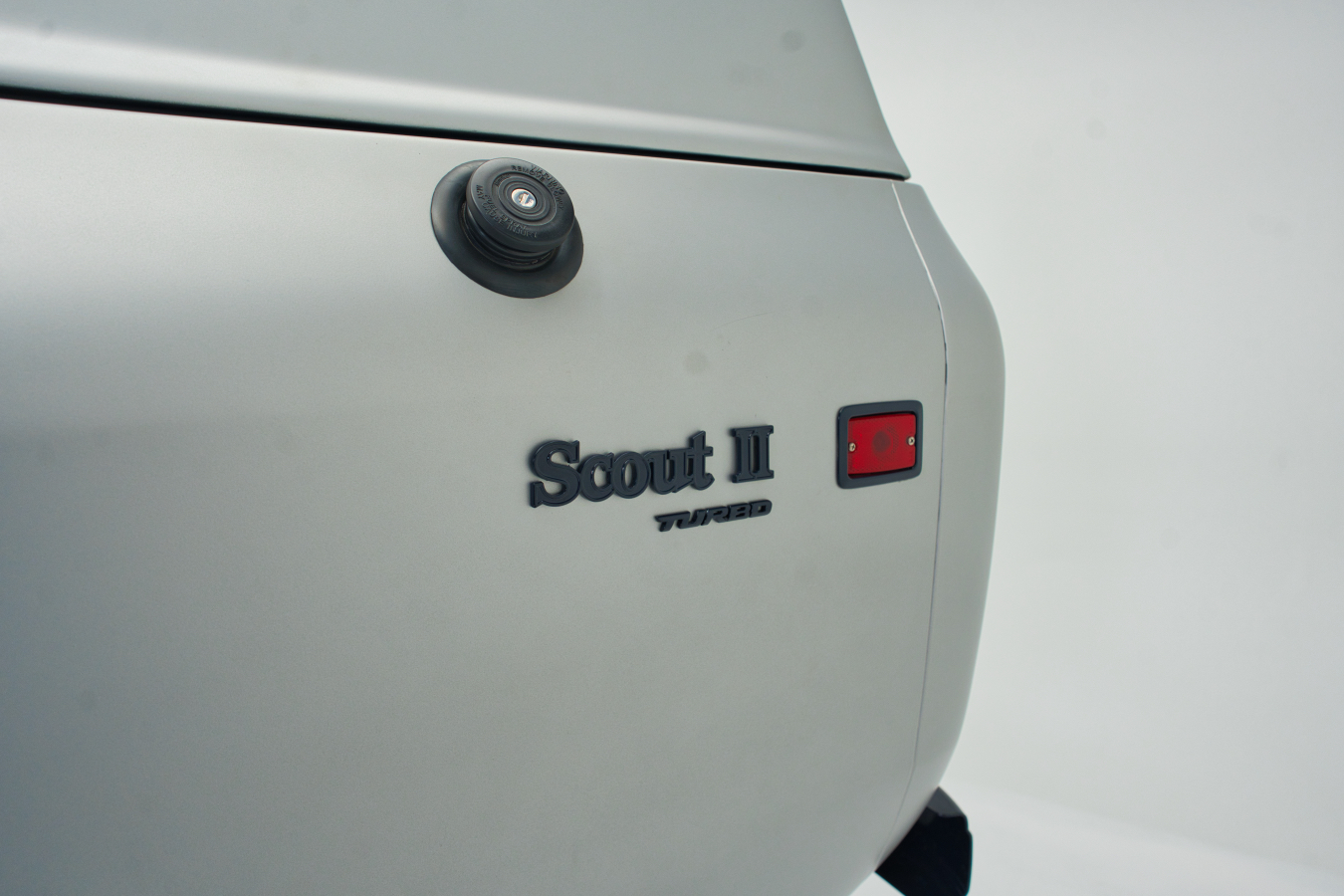
Most modern reproduction panels are stamped from 20-gauge steel. While it’s lighter and easier for manufacturers to ship, it lacks the “meat” of the original 18-gauge steel used in the 1960s and 70s.
● Structural Integrity: Original IH steel is roughly 20% thicker than aftermarket alternatives. This thickness is what gives a Scout its signature “tank-like” feel.
● Welding & Heat Management: When performing rust remediation, thinner 20-gauge steel is prone to warping under the heat of a TIG welder. 18-gauge heritage steel holds its shape, allowing for the seamless “metal finishing” we are known for in our [Restoration Process].
The Aftermarket Fitment Trap
The biggest hidden cost in a “budget” restoration is labor. Aftermarket panels are rarely stamped with the precision of the original factory dies. They often arrive with “soft” body lines and incorrect mounting points.
When you buy a cheap aftermarket door, your body shop often spends 10+ hours cutting, shimming, and adding body filler just to make it close properly. By the time they are done, you’ve spent more on labor than you would have on a [Master-Level Parts Restoration] of your original heritage steel.
At a Glance: OEM Steel vs. Aftermarket Reproductions


Preserving the “Golden State” Soul
If your Scout has lived its life in Northern California, it likely has “honest” wear—dents and surface oxidation rather than the catastrophic rot found in the Rust Belt. This makes your original panels the perfect candidates for a refresh.
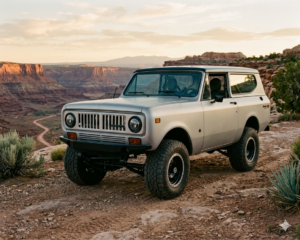
Restoring your original metal preserves the “DNA” of your vehicle. In the collector community, an “All-Steel” Scout II—meaning one with its original panels intact—commands a significantly higher price at auction than one pieced together with reproduction parts.
Pro-Tip for the Enthusiast: If you’re inspecting a Scout for purchase in the East Bay or Marin, bring a paint depth gauge. Thick layers of “bondo” often hide thin, wavy aftermarket panels. A Scout Club SF build is verified “Straight Steel” from the chassis up.
The Final Polish: Why It Matters to You
Choosing to restore original steel is an investment in simplicity and perfection. It means your doors click shut with a solid thud, your hood lines up with the cowl every time, and the “Sandstone” or “Tahoe Red” paint lays flat over a surface that was meant to be there.
Ready to give your Scout the steel it deserves?
Don’t settle for “close enough.” If you have original panels that need a master’s touch, or if you need us to source heritage “donor” steel for your project, let’s talk.
[Contact Us]

Leave a Comment

Your email address will not be published. Required fields are marked *

Share:

More Posts

Scroll to Top